
When you're considering straightening your teeth, Invisalign cost is probably one of the first questions on your mind. Asking up front is smart, because Invisalign represents a real investment in your smile and your long-term oral health, so knowing what shapes the final price helps you plan with confidence. We hear this question every single day, and we believe you deserve a straight answer.
Here's what many people don't realize about Invisalign cost: the price tag reflects much more than a box of plastic trays. Your investment covers advanced tools, professional expertise, and ongoing care designed to deliver lasting outcomes. Understanding what drives those cost differences helps you make a confident decision about your smile solutions. Different cases, different providers, and different regions all play a role in the final number you'll see on a treatment plan.
Let's break down exactly what you're paying for and why prices vary so much from person to person.
How Much Does Invisalign Cost?
Invisalign treatment in the United States typically ranges from $3,000 to $8,000, depending on case complexity and treatment length. This range reflects the significant differences between a minor spacing correction and a full bite correction requiring extensive tooth movement.
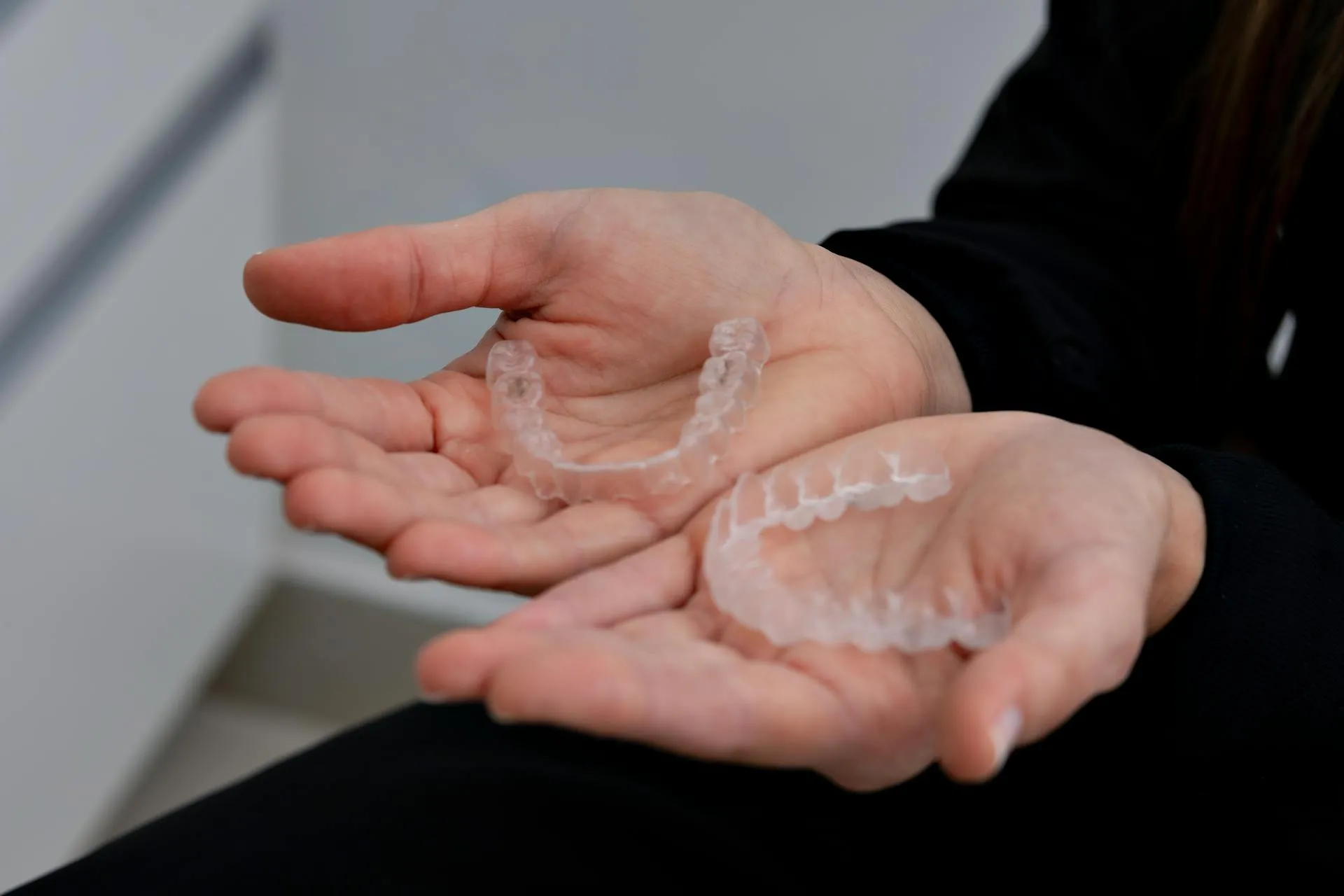
Invisalign works through a series of custom-made clear aligners that gradually shift your teeth into their ideal positions. Unlike traditional braces with brackets and wires, these removable trays are nearly invisible when worn. Each set of aligners is precision-engineered based on a 3D digital scan of your teeth.
What's included in that cost? More than you might expect:
- Custom aligner fabrication for every stage of treatment
- Regular monitoring appointments with your orthodontist
- Refinement aligners if your teeth need additional adjustment
- Digital treatment planning and progress tracking
- Professional oversight throughout your entire treatment
The price isn't just for the aligners themselves. You're paying for the expertise, technology, and care that produces dependable, lasting outcomes throughout your orthodontic experience.
How Does Invisalign Treatment Work (and Why Does That Affect Price)?
Understanding the treatment process helps explain why Invisalign costs what it does. This isn't a one-size-fits-all product. It's a careful orthodontic system requiring specialized training and digital tools that board-certified orthodontists use every day.
Your orthodontist starts with a detailed digital scan of your teeth. No messy impressions needed. This scan creates an exact 3D model of your mouth, which becomes the foundation for your entire treatment plan. Using specialized software, your orthodontist maps out every tooth movement from start to finish. You can actually see a virtual preview of your future smile before treatment begins. This planning phase requires significant expertise and time.
Based on your treatment plan, Invisalign manufactures your aligners using patented SmartTrack material. Each tray is designed to move specific teeth in specific directions at specific times. You'll typically switch to a new set every one to two weeks.
Throughout treatment, you'll have regular check-ins with your orthodontist. These appointments make sure your teeth are tracking according to plan. If something's off, adjustments happen early before issues compound. This combination of digital tools, custom manufacturing, and professional oversight is what separates Invisalign from lower-priced alternatives. Each element adds value and contributes to the final cost.
What Are You Actually Paying For: The Value Behind Invisalign
It's easy to look at Invisalign and see "just plastic trays." But the value extends well beyond the physical aligners. Here's what your investment actually covers, broken into a few key buckets.
What Lifestyle Benefits Come With Invisalign?
On the lifestyle side, you get nearly invisible aligners that most people won't notice, a removable design that lets you eat whatever you want, and easier brushing and flossing compared to braces. There are no emergency appointments for broken brackets or wires, and most patients find the smooth trays more comfortable than metal brackets pressing against their cheeks and lips.
What Engineering Goes Into Each Aligner?
When it comes to engineering, Invisalign's SmartTrack material was developed specifically for tooth movement. It delivers gentle, consistent force that moves teeth more reliably than earlier aligner materials. The precision of each tray matters enormously for your final outcome.
What Professional Expertise Is Built Into the Price?
Professional expertise is another major piece of the equation. Your orthodontist's training and experience guide every aspect of treatment. Board-certified orthodontists complete years of specialized education beyond dental school. That expertise shows in treatment planning, progress monitoring, and troubleshooting when teeth don't cooperate perfectly.
Are Refinements and Retainers Included?
Most plans also include built-in refinements. Sometimes teeth need a little extra nudging, and most Invisalign treatment plans include refinement aligners at no additional charge. If your outcomes need fine-tuning near the end, you won't face surprise costs. Retention is usually folded in as well, with retainers and post-treatment planning often bundled into the overall fee. Keeping your teeth in their new positions is just as important as moving them there.
Invisalign vs. Braces vs. Mail-Order Aligners: Cost Comparison
Invisalign costs $3,000 to $8,000, similar to traditional braces but more than mail-order aligners that skip in-person care. Here's a straightforward comparison so you can weigh your smile solutions side by side:
| Treatment Option | Typical Cost Range | Professional Supervision | Best For |
|---|---|---|---|
| Traditional Metal Braces | $3,000 to $7,500 | Full orthodontist oversight | Complex cases, all ages |
| Clear/Ceramic Braces | $4,000 to $8,000 | Full orthodontist oversight | Aesthetic preference with braces |
| Invisalign | $3,000 to $8,000 | Full orthodontist oversight | Mild to complex cases, lifestyle flexibility |
| Mail-Order Aligners | $2,000 to $2,500 | Remote monitoring only | Very minor corrections |
What's the Real Cost of Cutting Corners?
Mail-order aligners look appealing at first glance. Lower price, no office visits, everything shipped to your door. But there are significant tradeoffs.
Without in-person exams, underlying issues can go undetected. Gum disease, cavities, and bone loss all affect how teeth move. X-rays and clinical exams catch these issues before treatment begins.
The American Association of Orthodontists has publicly cautioned against direct-to-consumer aligners, noting concerns about bite issues, tooth damage, and treatment relapse. Some patients end up needing professional correction after their mail-order treatment fails, paying twice for the same goal.
When Does Professional Treatment Pay Off?
Traditional braces and Invisalign both include detailed exams up front. A board-certified orthodontist evaluates your bite, jaw alignment, tooth roots, and overall oral health before creating your treatment plan. You'll get X-rays, photos, and a 3D scan that together build a clear picture of what your teeth need. This upfront work prevents costly complications later.
The slightly higher cost of professional treatment reflects the value of expertise, safety, and reliable outcomes you can actually see and measure. For most patients, that peace of mind is worth the difference.
7 Factors That Impact Your Invisalign Cost
No two Invisalign cases cost exactly the same. Seven main factors shape your specific price: how complex your case is, how long treatment takes, where you live, the experience level of your provider, your insurance benefits, payment options like HSA/FSA accounts, and what extras come bundled into the quoted fee. Here's a closer look at each.
How Does Case Complexity Affect Cost?
Case complexity is the single biggest driver of price. Minor spacing or crowding requires fewer aligners and less treatment time. Full bite correction with significant tooth movement takes longer and costs more. Your orthodontist will assess your specific needs during your complimentary consult.
What Determines How Long Treatment Takes?
More aligners mean higher lab fees, so longer treatment generally costs more. A simple case might need 10-15 sets of trays. Complex cases can require 30 or more. Each additional stage adds to the overall investment.
Does Geographic Location Change the Price?
Yes, treatment costs vary by region. Urban areas with higher overhead typically charge more than smaller communities. Local market rates influence what practices charge for similar services, and rural and suburban areas often offer more accessible pricing than major metro markets.
How Do Provider Experience and Certification Affect Cost?
Provider tier and clinical experience can shift pricing meaningfully. Invisalign ranks providers by treatment volume. Higher-tier practices have completed extensive training and treated a high volume of cases. That experience often translates to better outcomes and can influence pricing.
Will Insurance Benefits Apply to Invisalign?
Many dental insurance plans include orthodontic coverage that applies to Invisalign. Benefits often range from roughly $1,500 to $3,500 toward treatment. Check your specific plan details. Some policies cover Invisalign the same as braces; others have different allowances.
Can You Use HSA/FSA Funds or Payment Plans?
Yes, both options can lower your out-of-pocket cost. Health savings accounts and flexible spending accounts can cover Invisalign with pre-tax dollars. Many practices also offer in-house payment plans that spread your investment over time. Low monthly payment options make treatment accessible for more families.
What Extras Are Included in the Price?
Bundled extras vary widely from practice to practice. Some treatment fees include retainers, teeth whitening, or other bonuses. Others price these separately. Ask what's bundled into your quoted price so you can compare them fairly.
Is Invisalign the Right Investment for You?
Invisalign treats many orthodontic concerns. It's not limited to simple cases anymore. Our board-certified orthodontists evaluate each patient's situation carefully before recommending a path forward.
Good candidates for Invisalign include patients with mild to moderate crowding and spacing, overbite, underbite, and crossbite correction, open bite treatment, gap closure between teeth, and relapse after previous orthodontic treatment.
Modern Invisalign techniques include attachments (small tooth-colored bumps) and elastics that expand treatment possibilities significantly. Many cases that once required braces can now be treated with clear aligners.
What Makes Someone a Good Candidate?
Commitment matters. Invisalign generally requires wearing your aligners 20 to 22 hours daily. You remove them only for eating, drinking anything besides water, and brushing. Patients who follow this guideline consistently see the best outcomes.
A complimentary consult determines whether Invisalign fits your specific situation. Your orthodontist will evaluate your teeth, discuss your goals, and provide an accurate cost estimate based on your unique needs. This is the moment to kick-start your smile adventure with clear information in hand.
Are All Clear Aligners Created Equal?
Invisalign's technology and track record set it apart from generic clear aligner brands. The SmartTrack material, precision manufacturing, and treatment planning software have been refined over many years. Choosing a board-certified orthodontist as your provider adds another layer of expertise and accountability.
You deserve to know exactly what you're investing in before treatment begins. Reviewing the breakdown above, asking your provider about included services, and comparing quotes carefully gives you a clearer picture of value rather than just the upfront price. A clear aligner experience guided by an experienced orthodontist tends to deliver more reliable outcomes than DIY shortcuts, and the cost difference often reflects that. When you're ready to take the next step toward smile transformation, our team is here to walk you through your options.
Frequently Asked Questions
Does insurance cover Invisalign?
Yes, many dental insurance plans include orthodontic benefits that apply to Invisalign the same way they apply to braces. Coverage often falls within a lifetime orthodontic maximum, which varies widely by plan. Review your benefits booklet or call your insurer to confirm what's covered before starting treatment.
How long does Invisalign treatment take?
Most Invisalign cases finish within 6 to 18 months, though simple cosmetic corrections can wrap up faster and complex bite corrections may take longer. Treatment time depends on how much your teeth need to move and how consistently you wear your aligners.
Is Invisalign more expensive than braces?
Invisalign and traditional braces overlap significantly in price. Some Invisalign cases cost slightly more due to lab fees for custom aligners, while others fall right in line with braces pricing. Case complexity tends to influence final cost more than the appliance type itself.
Can I pay for Invisalign in monthly installments?
Yes. Many orthodontic practices offer in-house payment plans that break the total cost into manageable monthly payments, often with little or no interest. HSA and FSA accounts can also cover treatment with pre-tax dollars, which effectively lowers your out-of-pocket cost.
What happens if I lose an aligner?
Contact your orthodontist right away. Depending on where you are in treatment, they may have you move to your next set early, return to your previous set temporarily, or order a replacement tray. Acting quickly keeps your teeth from shifting back and disrupting your timeline.
Are lower-cost mail-order aligners worth it?
Mail-order aligners cost less up front but skip the in-person exams that catch issues like cavities, gum disease, or root concerns. Some patients end up needing professional correction afterward, which can cost more in the long run than starting with supervised treatment from the beginning.
Deciding between systems? Our side-by-side on Invisalign vs. braces for teens and adults and our walkthrough of the Invisalign process from consultation to retainer cover what the investment buys you. For the braces equivalent, see how much braces cost.